Keep up to date
We occasionally send out emails about TOTEM, including thoughts and industry news. If you'd like to receive these emails please enter your details below.

An idyllic setting for a meal at the foot of the Eiffel Tower. From the wine bar to the restaurant to the breakfast buffet, here's what awaits you on your next Parisian culinary journey.
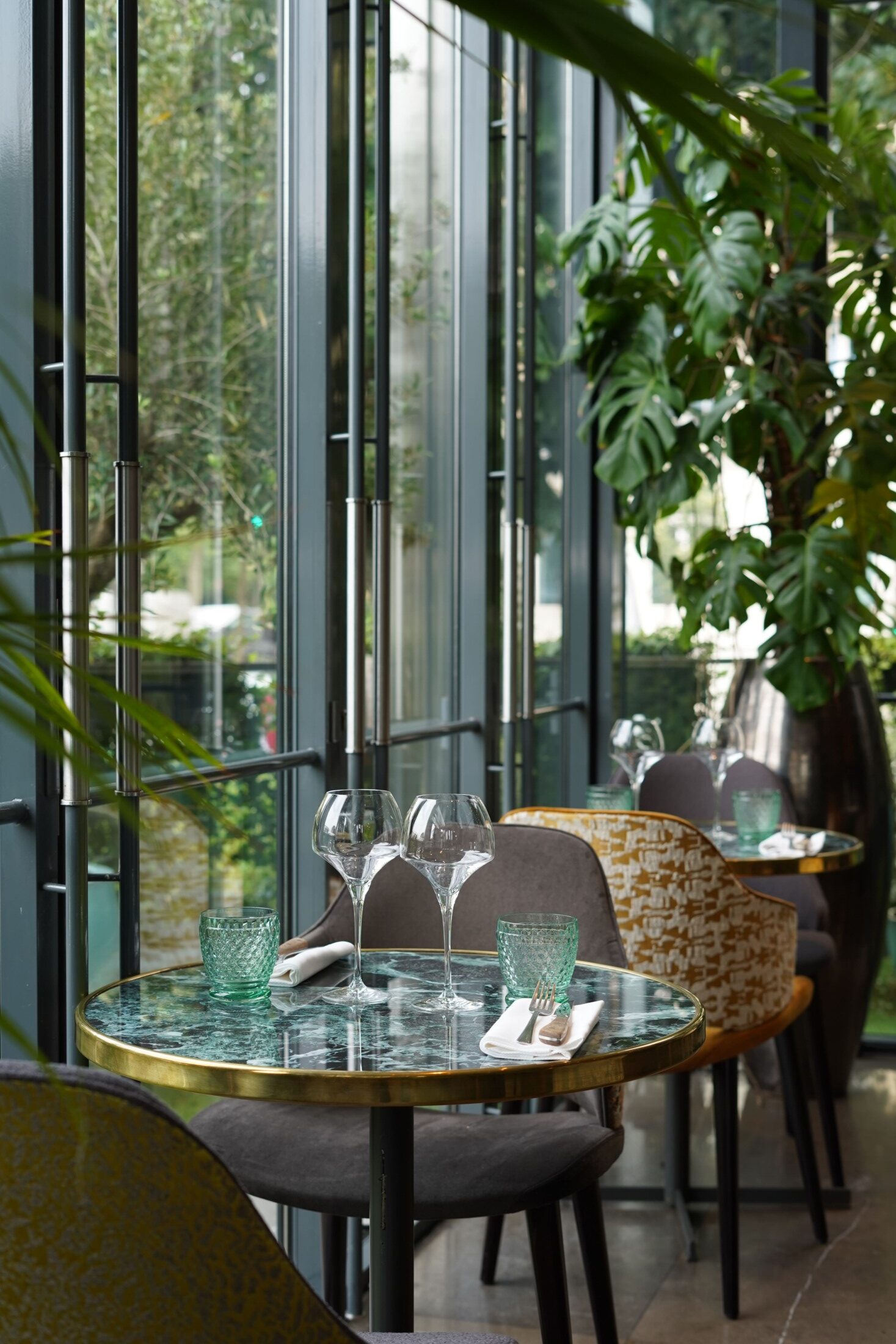
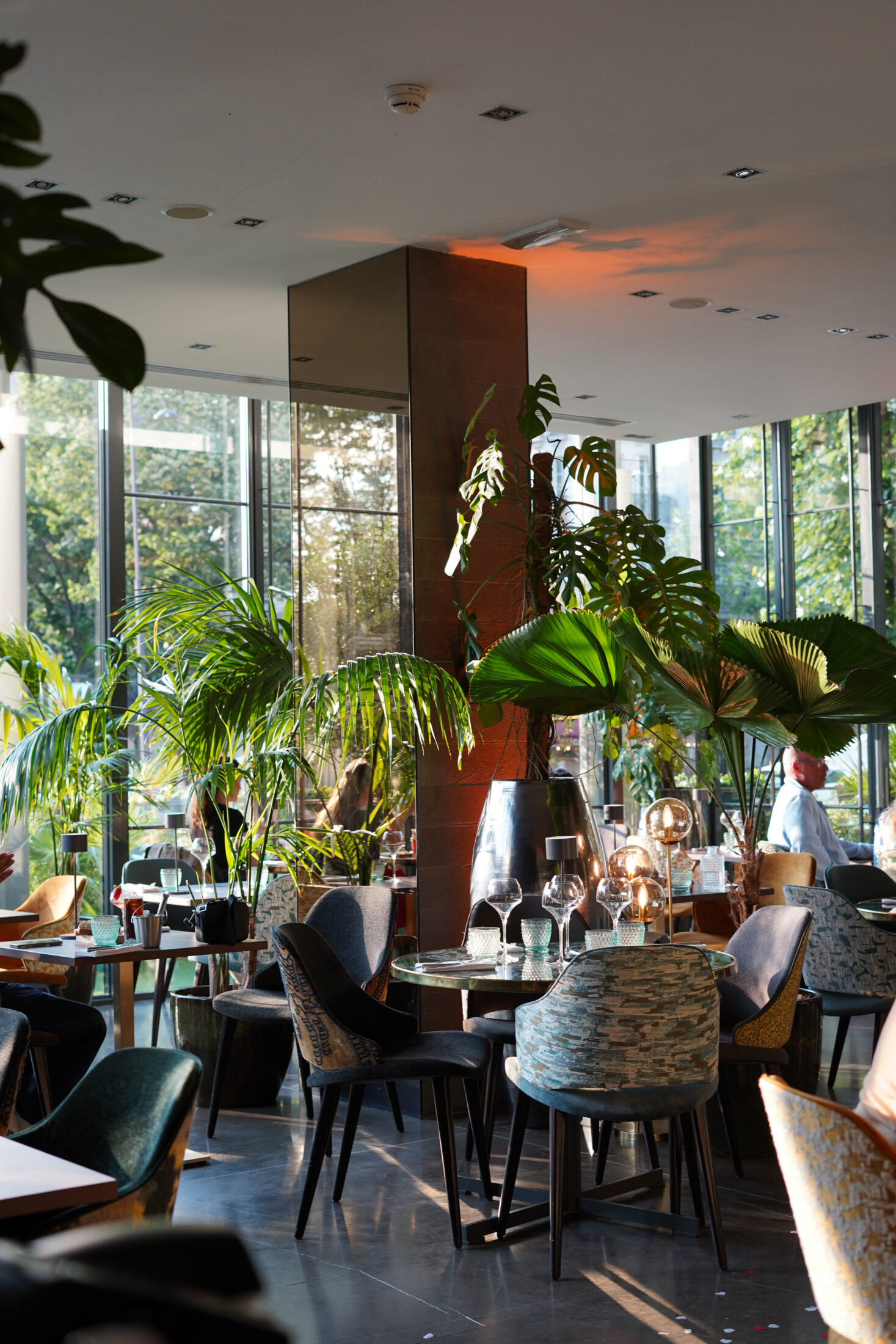
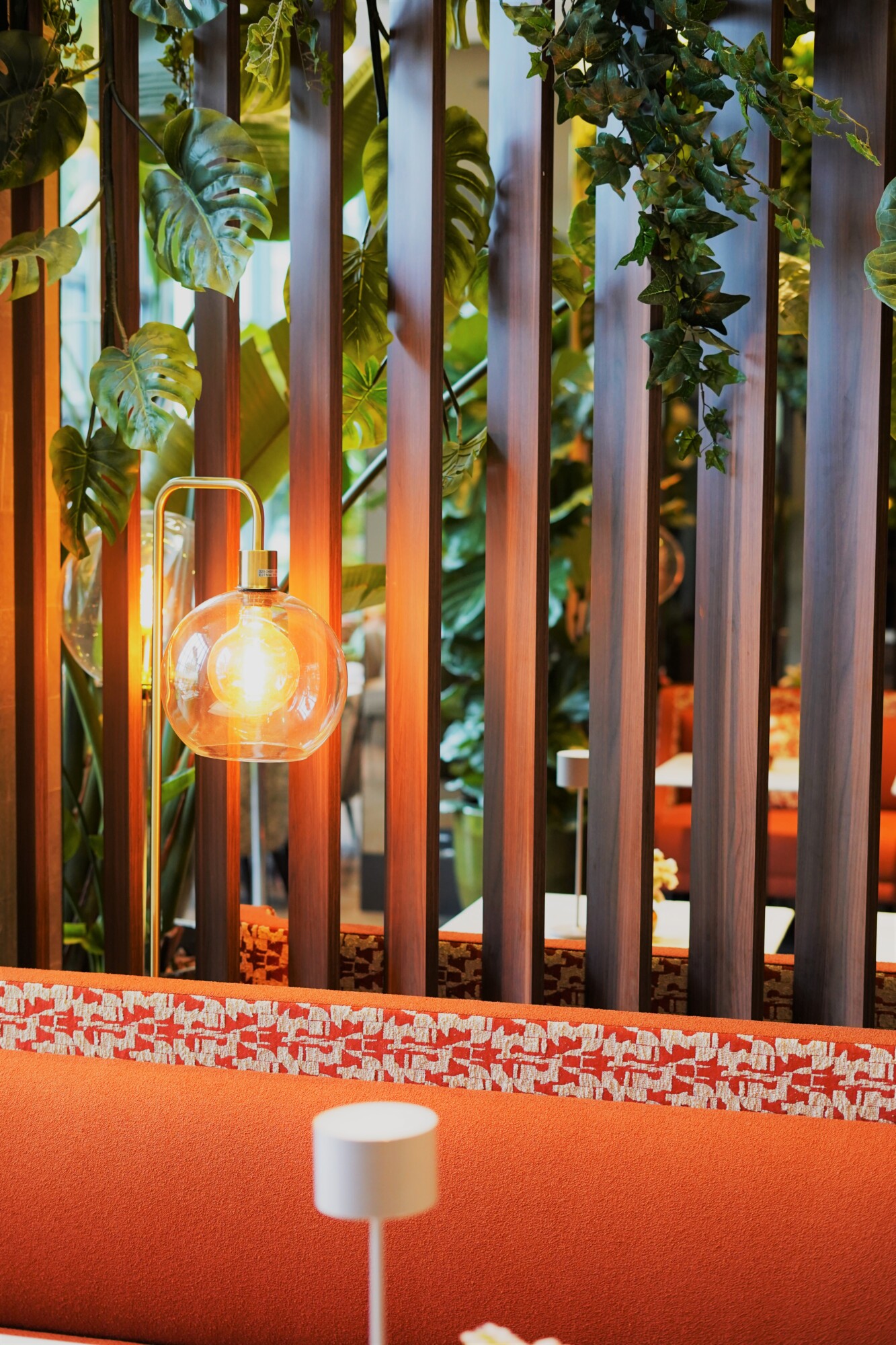
Welcome to FRAME! Looking for a relaxed dining experience with a view of the Eiffel Tower? Embark with us on a gastronomic journey through the 15th arrondissement of Paris. Come relax after a long trip, have a romantic dinner, sign a new contract, or enjoy Sunday brunch near the Eiffel Tower. Come back for a foosball match, buy a painting, or support your club on the big screen.
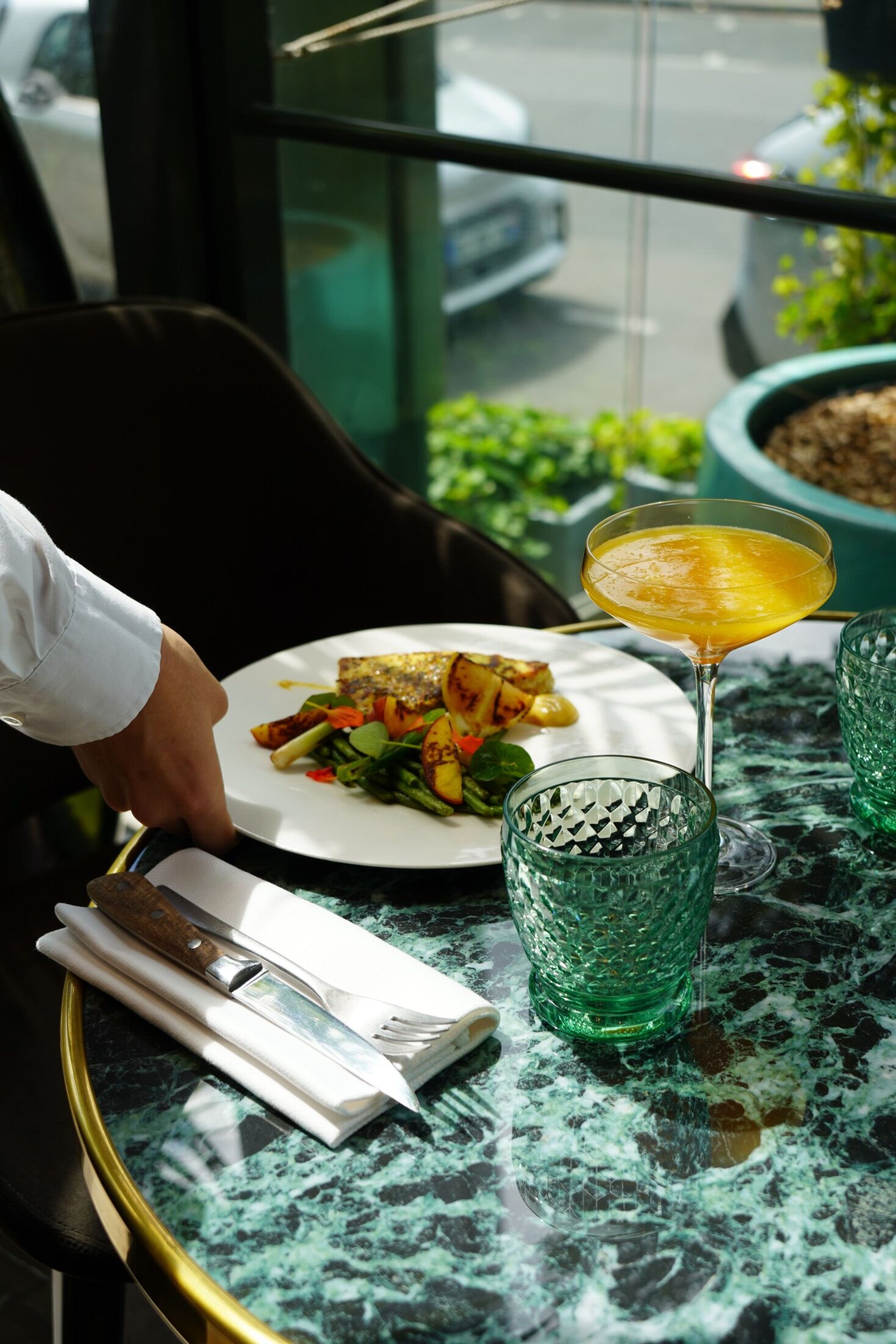
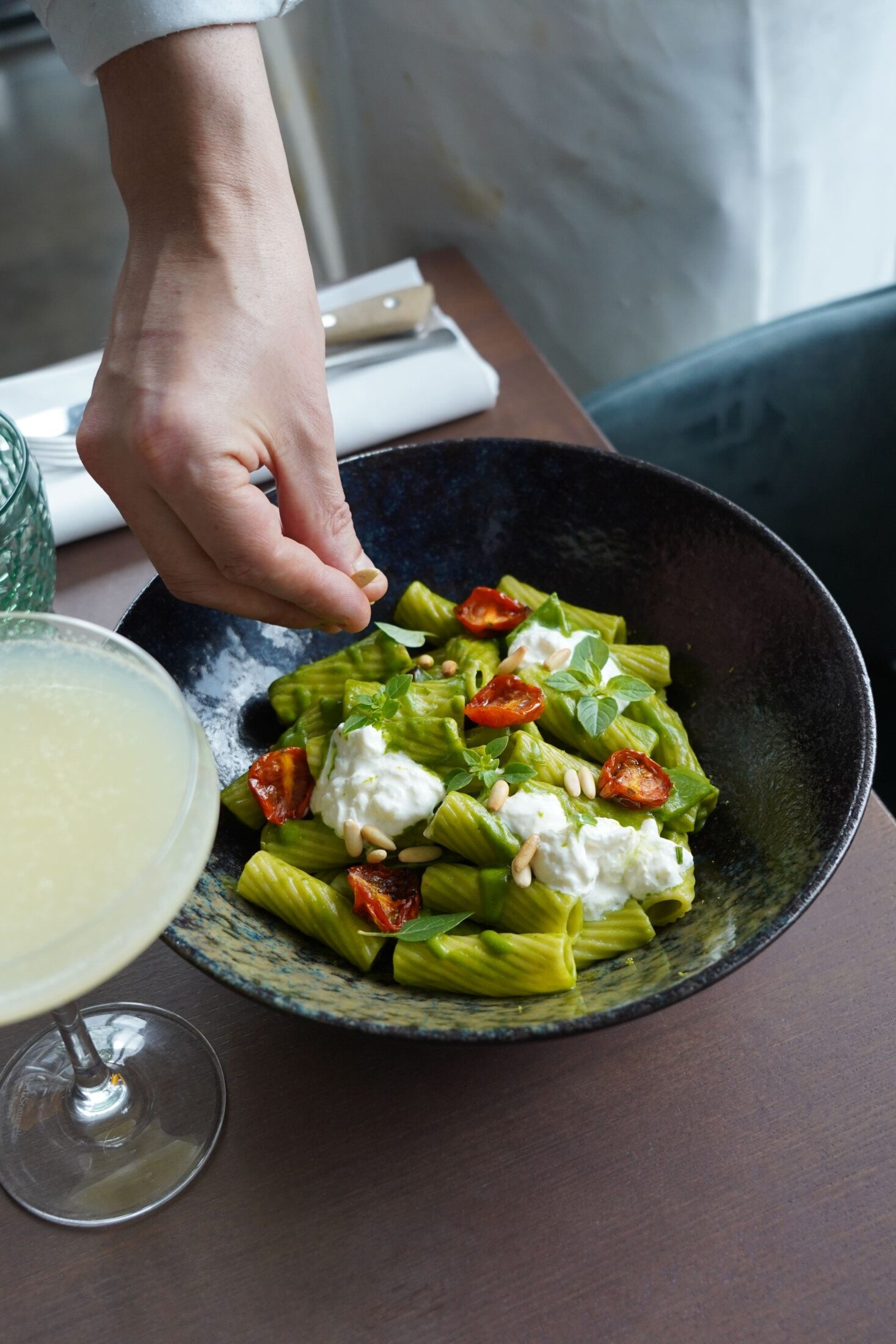
At FRAME, we are committed to sharing the best of French cuisine in the heart of Paris.
From Monday to Sunday
from 12:00 PM to 22PM.
Monday - Sunday
12:00am to 14:00pm
19:30am to 22:00pm
Every Sunday
from 12:30 PM to 15PM.


Check out our latest events below:


A perfect dining experience for families, with entertainment specially designed to keep children entertained.


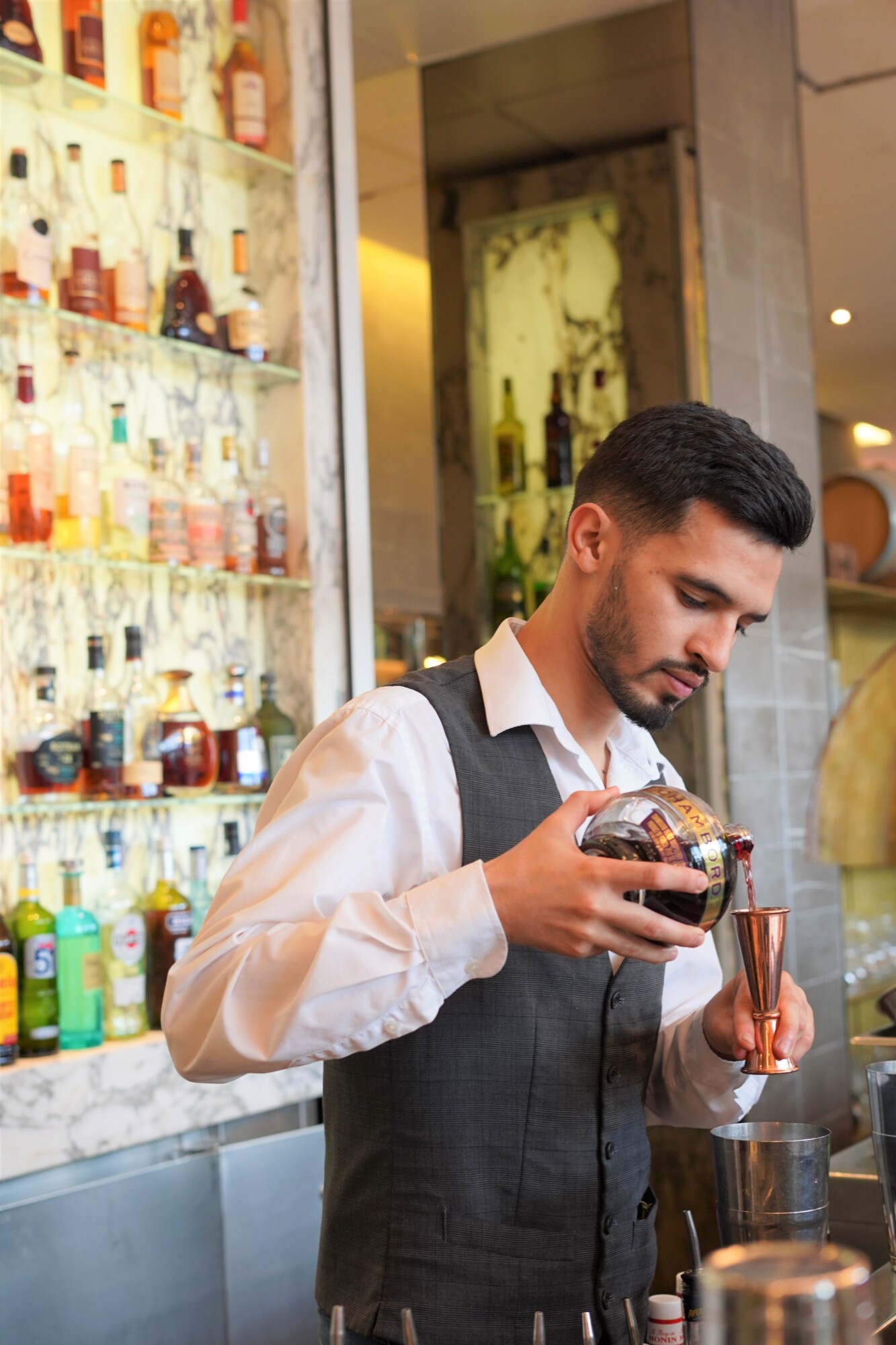
The Frame Lounge's elegant and relaxed setting, with its breathtaking views of the Eiffel Tower, is ideal for relaxing while enjoying innovative cocktails made with fresh, local ingredients. These evenings are the perfect opportunity to savor refined culinary creations accompanied by live music.


Address: 28 rue Jean Rey 75015 Paris France
Email: resa@framebrasserie.fr
Phone: +01 44 38 57 77

A vegetarian for several years, chef Alexandre Willaume offers cuisine focused primarily on seafood and plants, while working with certain meats with the utmost respect for the animal. His culinary approach, which emphasizes local and seasonal products, aims to offer a subtle and respectful culinary experience.
“My cooking has changed, it has become more plant-based, conscious and much more committed.”

Imperial shrimp / MAISON LAUGIER 17750 ETAULES
– Native to the Indian Ocean and present in the Mediterranean, it is a beautiful shrimp that can only be farmed in summer in Marennes-Oléron.
– Baby shrimp are introduced at a size of a few millimeters into our ponds at the end of April and the beginning of May, and quickly reach around twenty grams at the beginning of August. Marketing can begin until the first cold weather when the shrimp disappear.
– The imperial shrimp finds in our beds an abundant natural diet of phytoplankton, small crustaceans, molluscs and bloodworms present in the soil of our beds, we do not supplement their diet.
– Shrimp also prevent the proliferation of harmful algae present in certain lakes and this production thus allows for the natural maintenance of our lakes.
– This breeding is extensive (1 to 2 shrimps per m²), it is often associated with the breeding of the Special Pousse oyster in the clear.
– The imperial shrimp from the Charente marshes has firm and very tasty flesh, nothing like any other frozen or deep-frozen shrimp that can be found on the market. This shrimp (or prawn) is sold live.
Black pork from Bigorre / BLACK FROM BIGORRE FROM THE PADOUEN COLLECTIVE 65290 LOUEY
An exceptional legacy:
– The Black Pig of Bigorre is the native pig present in the central Pyrenees since time immemorial.
– Recognizable by its black coat and horizontal ears, the Black Pig of Bigorre is a purebred pig that lives freely in its native territory, Bigorre, on the borders of the Hautes Pyrénées, Gers and Haute Garonne.
– It is at the foot of the mountains, in this gentle and peaceful landscape of meadows and undergrowth, that the Black Pig of Bigorre moves in small herds to feed, benefiting from a healthy diet based on the natural resources of its environment: grass, acorns, chestnuts, triticale grown in the geographical area, and other resources of the environment. No GMOs.
– It grows in pastures on grassy areas bordered by hedges, trees and/or undergrowth.
– A noble animal par excellence, it is the fruit of an ecosystem which links the natural environment, the animal and man.
A collective of passionate breeders and artisans:
– Too fat, too slow, too unproductive, unsuited to intensive breeding conditions and industrial consumption standards: It had become an archaic, useless animal, the pig of the past.
– His adventure almost came to an abrupt end after the Second World War. The development of intensive pig farming, leading to its rapid decline, almost proved fatal. In 1981, there were only 34 sows and 2 males left! In this context, imagining that the breeding of the Black Pig of Bigorre could be revived was far-fetched and, to say the least, reckless. And yet a group of breeders, artisan pork butchers and salters, supported by technical advisors, were going to collectively take up the challenge, organize the revival of the Black Pig of Bigorre, have its nobility recognized and give it back an emblematic place in its original region, Bigorre.
– Thanks to the tenacity and hard work of a handful of enthusiasts, the Black Pig of Bigorre has risen to the challenge of its sustainability. In order not to distort the original qualities of the product, breeders have made no concessions regarding the breeding and feeding conditions. Today, the story of this renaissance tells of thirty years of effort and resistance.
– This renaissance now has a hint of panache for the courageous players in the sector who see their choices, their commitment and their work beginning to bear fruit.
– The breeders and artisans of the PADOUEN Collective are the guarantors of this heritage which has always been part of the peasant culture of the Pyrenean Piedmont.
– Now, the Black Pork of Bigorre is enjoying growing notoriety, with the Black Ham of Bigorre being recognized as one of the greatest European hams.
Cheeses (Paris Pavé, Brie, Persillé goat cheese) / FERME DE LA TREMBLAYE 78125 LA BOISSIERE ECOLE
A pioneering and committed farm:
– Since 1967, Ferme de la Tremblaye has been offering farmhouse cheeses made from cow and goat milk. Its self-sufficient, sustainable, and healthy ecosystem has motivated the adoption of the agroecology model since 2008, inspired by the nearby Rambouillet forest!
– La Ferme de la Tremblaye now controls all stages of the production of its farmhouse cheeses, from fodder cultivation to maturing, including animal breeding and cheese making from the farm's milk. It also takes into account the protection and maintenance of the soil and the forest, as well as the production of its own energy and the recycling of farm waste through a methanizer.
– Ferme de la Tremblaye's long-standing commitment to animal welfare, farmers, and the environment makes it a pioneering farm in agroecology! The farm was also certified B-Corp in 2020.
Banka Trout / BANKA TROUT, MICHEL GOICOECHEA 64330 BANCA
– Since 1965, an aquaculture farm nestled in a wild setting in the heart of the Basque Country
– The Banka aquaculture farm raises trout in one of the most beautiful valleys in the Basque Country. The pure, clear waters of the Arpéa spring feed the ponds of this former 17th-century mill.
– The Banka aquaculture farm is first and foremost a magnificent and wild setting, nestled in the heart of the Basque Country. Since the 17th century, the Arpéa spring has supplied water to a mill in the village of Banka. In 1965, Jean-Baptiste Goicoechea decided to establish a trout farm on this site, convinced that the exceptional quality of the water and the passion of the men who would run this business could make Banka Trout a gastronomic reference. 50 years later, through hard work, conviction, and patience, the family aquaculture farm offers trout with flesh of rare finesse, the fruit of unique know-how and a particularly privileged environment.
– Banka trout weighs 100 gr in one year, 250 gr in two years and 5 kg in 5 years.
Breeding conditions:
– Other parameters come into play and ensure the quality of our fish:
Trout density per pond:
– A trout exposed to overpopulation and therefore stress is a fish that suffers from deficiencies. Distributed according to their maturity and their destination (fresh, cooked, smoked), we ensure that the trout have enough space to swim, feed and grow harmoniously.
Oxygenation of water:
– Water quality is an extremely important parameter in trout farming. Oxygen-deficient water or fish density that is too high requires artificial oxygenation. On our farm, everything is done naturally. We maintain a very high water flow rate of 300 liters per second. The water is already highly oxygenated when it arrives at the farm, and this rate is then maintained by cascading between the stepped tanks.
Treatments:
– Low population density, high water quality, low temperatures, and a balanced diet prevent diseases and therefore the need for treatment. This is why we never resort to systematic veterinary treatments.
Royal sea bream Ikejime / AQUAFRAIS CANNES 06400 CANNES
Sea Farmers for 35 Years:
– For 35 years, we have been developing our own unique expertise, fueled by our passion and our history of open-sea aquaculture. From the outset, we wanted to work sustainably, letting nature take its course, to cultivate the best the Mediterranean Sea has to offer. Our methods are the result of extensive experimentation and are unique.
An Artisanal Breeding:
– We work by hand on human-scale farms. Changing the nets, feeding the fish, maintaining our structures at sea, and fishing with salabris are all done manually. These methods ensure more precise management of our farms and a close relationship with the animals, which is beneficial to their development.
Developing Sustainable Livestock Farming:
– Since our creation, our farms have integrated the concepts of sustainability, traceability and transparency, to preserve our working environment and the quality of our production. We want to build a world where the environmental impact of animal protein production is completely controlled, and where marine aquaculture is seen as an answer to the question of “consuming better”.
An Incomparable Taste:
It is thanks to our artisanal methods and our location in the heart of the Bay of Cannes that our fish can develop exceptional organoleptic qualities recognized by experts. We want to offer our customers an ultra-fresh French seafood product with a taste quality equivalent to wild fish.
Healthy and Sustainable Foods:
Our feeds are rich in proteins specific to sea bream. They are composed of fishmeal derived from co-products of species from sustainable, quota-managed mill fisheries. Guaranteed to be hormone-free, PAT-free, and GMO-free, they are certified by Oqualim and Global GAP.
Low-density breeding:
Our farms are run in small structures, and our fish are raised in cages with low average density (less than 20 kg/m3). Located in a Natura 2000 zone, our marine farms are swept by the winds and subject to strong currents, offering optimal water temperature and quality.
We apply the ecobiology method to our breeding by adapting to the living. We let our fish develop according to their natural growth cycle, up to more than 3 years and without forcing their feeding, to offer you the best Sea Bass in different sizes.
We do not hold any inventory. Located on the open sea, our farms are accessible within a 10-minute boat ride, ensuring the rapid delivery of our fish to our packaging facilities. Our land-based location in the heart of the Côte d'Azur guarantees ultra-fast delivery of our products throughout France.
We fish every day, and carry out a delicate slaughter by immersing them in a sorbet of sea water and ice immediately after fishing. We carefully package our fish whole and by size, and we mark them individually with pins for maximum traceability.
IKEJIME Selection:
Japanese excellence in the heart of the Mediterranean. An ancestral method, a contemporary commitment.
More than a slaughtering technique, IKEJIME is a respectful, hand-crafted art that enhances each piece while minimizing stress on the animal. The result: exceptional texture, extended shelf life, and enhanced flavor.
Respect for animal welfare and fishing ethics
· High added value artisanal method
· Exceptional flesh, natural maturation
· Perfect for gourmet catering
Salted mince used for the burger / MAISON POLMARD 55300 SAINT-MIHIEL
Breeding
– We exclusively breed Blondes d'Aquitaine on our estate in Saint-Mihiel, in the heart of the Grand-Est region. Known for the finesse of their meat grain, one of the most delicate in French heritage.
– Our calves are carefully selected to become magnificent heifers, growing up outdoors in a natural setting, between fields and forests.
– Each animal is chosen according to precise criteria: fineness of the leather, conformation, genetics guaranteeing exceptional meat.
Maturation
– Aware that maturation is the most important step for quality meat, we bring each cut to its optimal stage for a unique and consistently consistent flavor. Our expertise guarantees our customers some of the best beef in the world, thanks to this process. We enhance and refine our meat using a special technique: sous-vide maturation. The humidity and oxygen levels are regulated, which ensures total control of marbling oxidation. It is thanks to this maturation technique that the Polmard identity was born.
Hibernation
– Because we produce exceptional meat, packaging and preservation methods are essential.
– Unlike freezing, hibernation does not alter the taste, tenderness, or juiciness of the meat. The meat is frozen at the optimal stage of maturation and therefore consumption. This operation is carried out in our laboratory in Saint-Mihiel at a temperature of -43°C and with a ventilation force of 4 meters per second.
– This meat hibernation technique guarantees exceptional flavor. This preservation method allows you to keep Polmard meat for many years in the freezer while enjoying it as much as if you had eaten it on the first day.
Farmhouse Cheddar / WYKE FARMS LTD, WHITE HOUSE FARM, WYKE CHAMPFLOWER, BRUTON, SOMERSET (SOUTHWEST ENGLAND)
– For all of us at Wyke, sustainability is a way of life. We have been working in partnership with nature for four generations and are proud to be pioneers and world leaders in sustainable agriculture.
– At Wyke, respect for the land is as important as the taste of our cheddar. This value is part of our work and is written in our family's DNA. We always make sure to give more than we take, as part of the legacy we have received and that we want to pass on to future generations.
– Our focus on carbon footprint, green energy, and water recycling makes Wyke one of Europe's most sustainable food producers. We make our cheddar and butter with energy generated by biogas from our own anaerobic digester and solar power, while preserving habitats and species and actively promoting wildlife in the Brue Valley.
– This commitment ensures that our cheddar is not only delicious, but also respects and preserves the environment on which we all depend. “Take care of nature and it will take care of you,” as our family saying goes.
Countryside mesclun / Bastellica family / VALLEY OF THE TWO SOURCES HAUT BOURG – 32400 VERLUS
In the Vallée des Deux Sources, the Bastelica family welcomes you to their farm which produces organic fruit and vegetables.
Why the Valley of Two Sources?
Our production site is located in the southwest, near the foothills of the Pyrenees. It is protected from the elements by a large forest, its location on hillsides, and its borders with pastures and lakes. Two springs irrigate its slopes, one ferric and the other sodium. These sources of minerals emerging from the bowels of the earth are excellent natural fertilizers for the soil.
Our values
We have implemented gentle techniques to advance our operation. We believe that performance can only be achieved by combining, within a continuous and coherent whole: The generosity of the earth, The hand of the sower, The hand of the picker, The tastes, The emotion & the graphic design of the plates.
The farm is owned by the Bastelica family. The founders are Claudie and Henri. They still handle agronomic research and audits with their partner Robert Bonelli. They also handle the technical side of things. Production is organized by David and Rudi Bastelica. Marie-Noël and Patricia handle the reception and order processing. Finally, we can count on Nathalie for customer relations.
Olive oil / Xavier Alazard, LE CARRE DES HUILES 13200 ARLES
Producer of French olive oils, committed to an environmentally friendly approach. It gives the earth the opportunity to do its work and the trees the opportunity to defend themselves naturally. Olive trees are planted at a sufficient distance for their well-being. From planting to manual harvesting, the approach remains artisanal.
Le Carré des huiles promotes French know-how and all protected designations of origin by offering olive oils with typical and specific flavors to meet the expectations of every cook or lover of good things.
The Vallée des Baux de Provence is where history takes root.
On one side, the Cornille family with my maternal grandparents, Jacques and Catherine, my mother Nanie and my uncle Jean Marie. They are farmers and olive growers, they work family land.
for several generations in the commune of Les Baux de Provence. On the other, the Alazard Family, with my paternal grandparents, Jules and Thérèse, my father Philippe and his 5 sisters. My grandfather is an architect in Paris and after the Second World War wanted to discover the region of origin of his family name; which brought him to Noves and Châteaurenard, but it was the southern slope of the Alpilles that he fell in love with. So the whole family in the 50s came to spend their holidays in Maussane les Alpilles. In 1956 he bought a house in Paradou and his first orchards in the commune of Les Baux de Provence, neighboring the "Cornille" olive trees.
When my parents met in 1960, they were far from knowing that their union of love would be a union of land. Year after year, my father, a lover of the earth and plants, an agricultural engineer by training, continued to expand this heritage, spending all his weekends and holidays taking care of his olive trees. Today the farm has 3000 olive trees spread over 17 hectares. The 4 main varieties present are local varieties that correspond to the specifications of the AOP Vallée des Baux de Provence: Aglandau, Salonenque, Grossane, Verdale des bouches du Rhône. There are also a few Picholine variety olive trees throughout the orchards.
My desire is to continue to maintain this family heritage that is dear to me. I still work in an artisanal and manual way. I have chosen to practice sustainable agriculture that respects nature. The olive trees are planted at a sufficient distance for their well-being. Part of the orchards are irrigated by drip irrigation thanks to a borehole, the others are dependent on the weather and are worked differently. I choose to leave the orchards grassed to promote the natural fertility of the soil and its infiltration capacity.
Spices, salts, peppers / TERRE EXOTIQUE 37210 ROCHECORBON
Since its creation in 1998, Terre Exotique has worked in accordance with the values that are dear to it.
Commitment No. 1: Support for development projects
– Terre Exotique participates in sustainable development projects with its partners. Through awareness-raising and educational initiatives on socially and ecologically sustainable production methods, we also support conversion projects in areas such as education.
Commitment No. 2: Traceability and sustainability of short supply chains
– Terre Exotique is in direct contact with the country of origin of the raw material and is committed to building a lasting partnership. Terre Exotique provides technical support and shares its knowledge of agronomy, legislation, and logistics. We are committed to a rigorous botanical identification process for the products we select, to guarantee transparency and traceability from field to plate.
Commitment No. 3: Requirement on organoleptic quality
– Terre Exotique provides its customers with fresh produce from the year's harvests. The production techniques (growing, harvesting, drying, sorting, and storage) are natural and do not alter the development of aromas or the authenticity of the taste. The products are harvested at optimal ripeness. The spice blends we create are made from traceable, premium raw spices.
Commitment No. 4: Support towards organic farming
– Terre Exotique only selects producers who adhere to good agricultural practices. The supply chain is certified organic or committed to organic farming. The raw materials are not derived from GMOs and do not undergo ionizing treatment. The preservation and storage methods are natural.
Commitment No. 5: Protection of biodiversity
– Terre Exotique's approach is part of the fight against the overexploitation of endemic species and supports agroforestry and peasant projects with the aim of protecting the biodiversity of ecosystems. Terre Exotique respects the rhythm of nature and the seasons, and remains faithful to the natural harvest calendar.
Commitment No. 6: Promotion of cultural and heritage specificities
– Terre Exotique promotes the terroir and the cultural, ethnological and botanical heritage of the region or producing country through its communications, its events (International Pepper Festival), its training activities (the pepper school), its collection and its publications.
Commitment No. 7: Respect for Human Rights
– Terre Exotique commits its suppliers to applying and promoting human rights (Universal Declaration of Human Rights – UN). Our partners are committed to eliminating all forms of forced or compulsory labor, not using child labor, fighting corruption in all its forms, and promoting working conditions that exceed the minimum conditions imposed locally.
Commitment No. 8: Fairness in commercial relations
– Terre Exotique supports and promotes producer autonomy, fair trade relations, and local development. The price must cover production costs and improve the quality of life of the local ecosystem. Participation in quality improvement missions and support for the implementation of collective projects are part of our approach.
Commitment No. 9: Reduction of environmental impact
– Terre Exotique favors packaging made from recycled and recyclable materials, sorts its waste, implements renewable energy sources, promotes low-carbon modes of transport, etc.
Commitment No. 10: Upstream transport exclusively by sea
– Terre Exotique guarantees the supply of its raw materials exclusively by ship. Air transport is prohibited. To go further, Terre Exotique is developing a sailing transport solution from the country of origin to France with its EOLE program.
Vinegars & fir syrup / Claude Sarda- ABIES LAGRIMUS 66360 SAHORRE
Abies Lagrimus has been making organic fir syrup from natural products since 2013. Our ancestors used it to relieve coughs and strengthen the body. Over the years, we have expanded our offerings to offer you a wide range of artisanal products with fir flavors. Between preserving traditions and innovation, we are committed to providing you with organic and high-quality products.
Our production workshop is located in Sahorre, an hour from Perpignan, east of the Pyrenees mountain range. Located on a former mining site, this building dates back to the 1950s and we are gradually renovating it. This is where we slowly macerate the fir cones and buds with sugar for several weeks. Our pine cone and branch harvesting site is located nearby, in a national forest in the Canigou massif. This proximity between harvesting and preparation sites demonstrates our commitment to reducing our environmental footprint. We also contribute to the enhancement of the natural heritage of our mountains.
At Abies Lagrimus, we pay particular attention to preserving our beautiful natural environment. This is evidenced by the partnerships established from the very beginning of our activity with the National Forestry Office and the Catalan Pyrenees Natural Park. A sustainable and responsible harvesting charter was developed and signed with these organizations. It defines the appropriate area for harvesting fir cones and buds. In addition, this document determines the terms of our harvest.
Our manual harvesting method, which respects trees and wildlife, is also a sign of our desire to limit our environmental footprint. To affirm our commitment to this sustainable development approach, we obtained organic certification from the ECOCERT organization in 2015. Our fir-based products are therefore certified organic. This is recognition for us of our choice to offer you natural, high-quality products made with environmentally friendly practices.
Our fresh pasta / Frédéric Bonomo, CQFD, 77124 VILLENOY
Former Chef, Frédéric Bonomo has an absolute love for the creativity and richness of French gastronomy. His experience, which began in the services of the Elysée Palace and then revealed itself in the restaurant and luxury hotel industry, gives him the knowledge and passion for French regional products. Over the years, a project began to emerge, that of undertaking in the food industry, while continuing to have a link with cuisine. It was in 2020 that he came up with the desire to create a brand of organic pasta made locally in the Meaux region, where he lives. He is the 2021 winner of the Réseau Entreprendre Seine-et-Marne.
French pasta
The durum wheat semolina we use comes from the organic durum wheat sector in Île-de-France. Our recipes are developed in Meaux using French gastronomy products to showcase the terroirs and expertise of our regions. CQFD aims to introduce you to the flavors of French pasta that will enhance your everyday meals.
Sustainable Pasta
CQFD is an alliance of stakeholders committed to a more environmentally friendly agri-food economy that ensures fair incomes for local farmers through short-circuit production. In partnership with the Coopérative biologique d'Île-de-France and Moulins Bourgeois, we are developing a 100% organic durum wheat sector based in the Île-de-France region.
Quality pasta
Our range evolves with the seasons to ensure product origin and quality. Naturally rich in protein, our pasta is made without preservatives or additives, and is all bronze-drawn for a rougher texture that helps retain sauce. They also offer excellent cooking stability.
Vanilla from Brittany / Jacob primeurs, 22500 PAIMPOL
It's the culmination of a challenge: growing vanilla in Brittany. An adventure born from the audacity of a handful of Breton market gardeners is now coming to fruition. Thanks to five years of exchanges, sharing of know-how, and passion, Vanilla from Brittany – Prince of Brittany has now become a reality!
Driven by innovation and always seeking new diversifications, Prince de Bretagne producers are continually exploring new markets to enrich their range. The idea of growing Breton vanilla in existing greenhouses thus germinated at the end of 2019 in the minds of three producers based in the Côtes d'Armor. Supported by their cooperative Les Maraîchers d'Armor, as well as by Terre d'essais, the industry's experimental station, they succeeded in producing ethical and high-quality Breton vanilla. The first 2024 vintage offers a brown, rich, vanillin-rich, and deliciously fragrant Breton vanilla!
A delicate plant
A plant of the undergrowth, vanilla does not like excessive temperatures or excessive light... Brittany is therefore ultimately a land conducive to its cultivation.
A goldsmith's work
Cultivating Brittany vanilla is a true work of art that requires calm and delicacy at every stage. This entirely manual process, from flower-by-flower pollination to massaging the pods to balance the grains, requires these "Master Vanilla Growers" to work with high quality and precision. Meticulous and meticulous, they listen to the plant and its growth. Patience is also essential. It takes more than 18 months between pollination and the sale of its brown pod.
Line-fed pollack / Hennequin fish market, 85100 LES SABLES D'OLONNE
Our regular presence in 18 French auctions allows us to choose the best products, guaranteeing constant monitoring to ensure their exceptional quality.
With experience starting in 1959, we have acquired expertise in sourcing for your complete satisfaction.
We are proud to promote the sector through our products, highlighting fish caught responsibly, whether by line or on board small boats, certified by our “Local Fishing” and “Line-Caught Fish” labels, to guarantee you unrivaled quality.
Les Sables d'Olonne
The main port for our daily supplies, where we are present, sees the arrival of line fishing boats and gillnetters every morning unloading high-quality fish: sea bass, pollack, turbot, brill, red mullet, hake, etc.
Holstein beef rib / LESAGE PRESTIGE 59147 CHEMY
Holstein meat, an exceptional selection:
Coming from farms located in the North of France, Holstein beef is distinguished by the quality of its feed and the care taken at every stage of its production. Fed primarily on natural pastures and corn, the animals benefit from an ideal balance of fiber and energy, guaranteeing flavorful, marbled meat.
Carefully selected by Maison Lesage after the maturation of the rib racks, the Holstein pieces offer a fine texture and an authentic taste, the result of local know-how and respect for the product at every stage.
The benefits of maturation
Maturation is an essential step that enhances the quality of the meat. This slow and controlled process has two main effects:
Scallops / SALICOQUE MAREE 76200 DIEPPE
The Label Rouge scallop is a Pecten Maximus that has chosen the cool waters of the sandy bottoms of the Normandy shores, and more particularly of the Bay of the Seine, to flourish.
Its strictly regulated fishing, the drastic selection of sizes (over 11 cm) and sorting to eliminate specimens with defects protect the renewal of the species and guarantee the consumer a quality of shells at full maturity.
Freshness all the way
Laid flat from the fishing boats to the point of sale, the shells retain all their water and vitality. Landed on average after 12 hours of fishing, they are shipped the same day as the auction to the distributor.
Shelled manually within the same time frame, the nuts are so fresh that they can be eaten up to 6 to 9 days later without losing any of their great taste.
We occasionally send out emails about TOTEM, including thoughts and industry news. If you'd like to receive these emails please enter your details below.